
Seeing it through: a fundraising appeal to help communities in the Sudan/Chad borderland.
Concordis’ peacebuilders work across the borderlands of central Africa. We’ve gained a strong reputation for finding effective solutions and generating lasting change. We have been asked to help with activities that sit outside our funded programme, but it is a request we need to take up to be true to our promise: to walk with communities for as long as it takes to build sustainable peace. The place is called Um Dukhun.
Where are we?
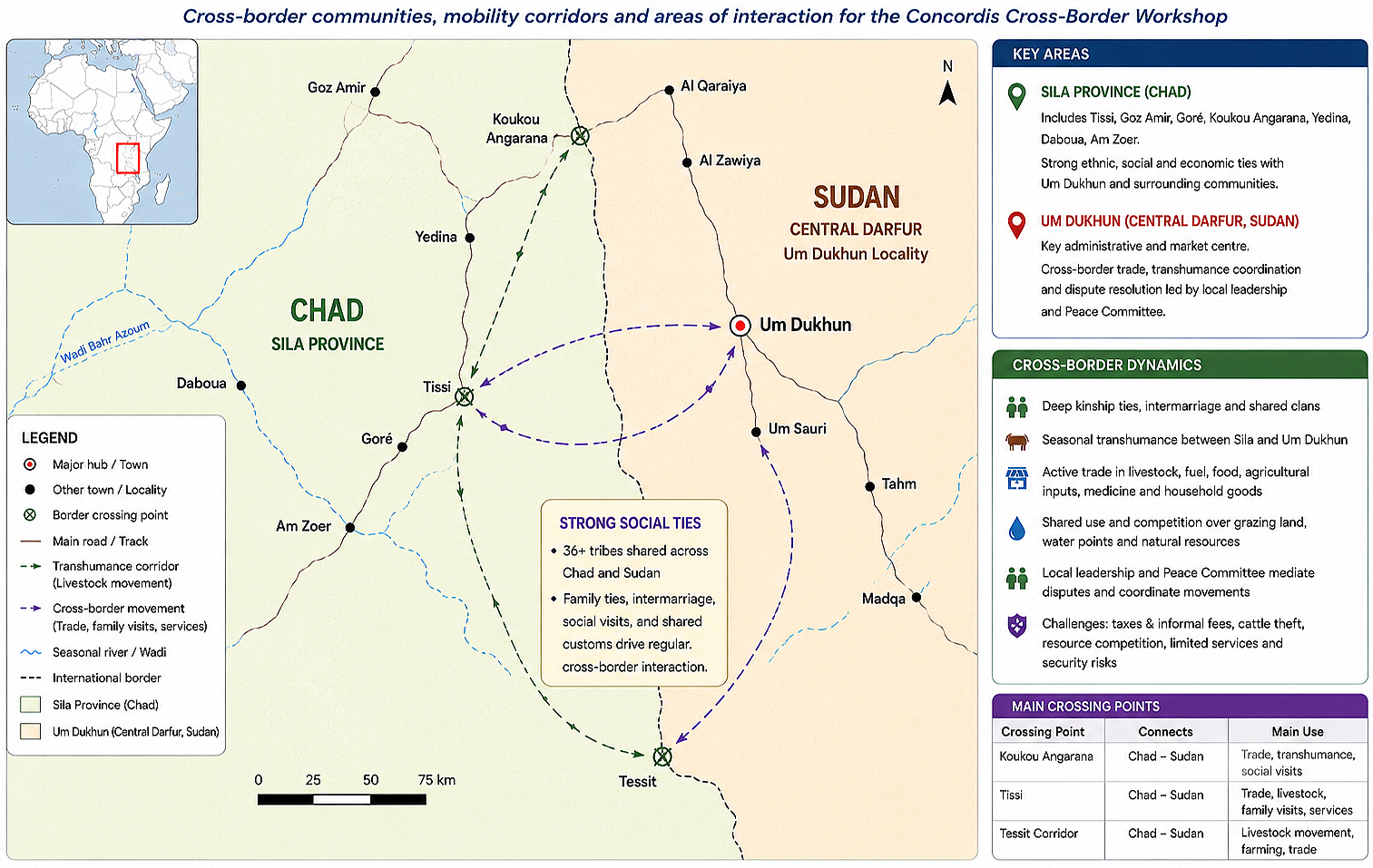
The Sudanese border town of Um Dukhun sits where Sudan, Chad and the Central African Republic meet. Over the border in Chad, the Sila Province is coping with the consequences of a neighbour at war.
This is borderland country, where weapons are plentiful and governance is limited. It’s also a place where traders move goods, where herders search for grazing land, and where markets are essential to people’s survival.
The border is porous, with members of the same family spread across multiple countries. Communities straddling the border have been managing their own peace for generations, despite colonial lines that cut through their families and their grazing lands. They share language, blood, marriage and market days. A Sudanese farmer and a Chadian herder might even find themselves to be cousins.
What is happening?
Since April 2023, the war in Sudan has put that peace under acute pressure. The Chadian government closed its border with Sudan to stop the conflict from spreading. Still, fighting frequently spills across the border, as have more than a million refugees fleeing the violence in Darfur. There is tension between the displaced people and their host communities.
The Sudanese side of this border is now under the control of the RSF (Rapid Support Forces). The Chadian government does not officially recognise the RSF, and the Sudanese Armed Forces frequently bomb the area, trying to disrupt RSF supply chains. This means that every trader, farmer or herder trying to cross from one side to the other is caught between governments in conflict, yet none of those governments is sufficiently present at the border to keep order.
The result is a dangerous governance vacuum.
Armed groups move freely. Young men are being recruited for drug trafficking and weapons trading. Cattle theft is rising. Criminal networks are exploiting the gaps. Chadian authorities are tightening controls in ways that hit locals hard: border officials impose impossible fees of up to 50,000 CFA (£66) just to pass.
The traditional leaders who have kept the peace for decades are being asked to do a job that would stretch any formal government, with no resources and no backup.
Meanwhile, the communities themselves are more dependent than ever on cross-border movement and trade. Since the war began, Sudanese families can no longer access medicine, fuel, or basic food in their own country. Chadian markets are now their lifeline. Up to 30% of traders in Um Dukhun's market are Chadian. This is not convenience; it is survival.
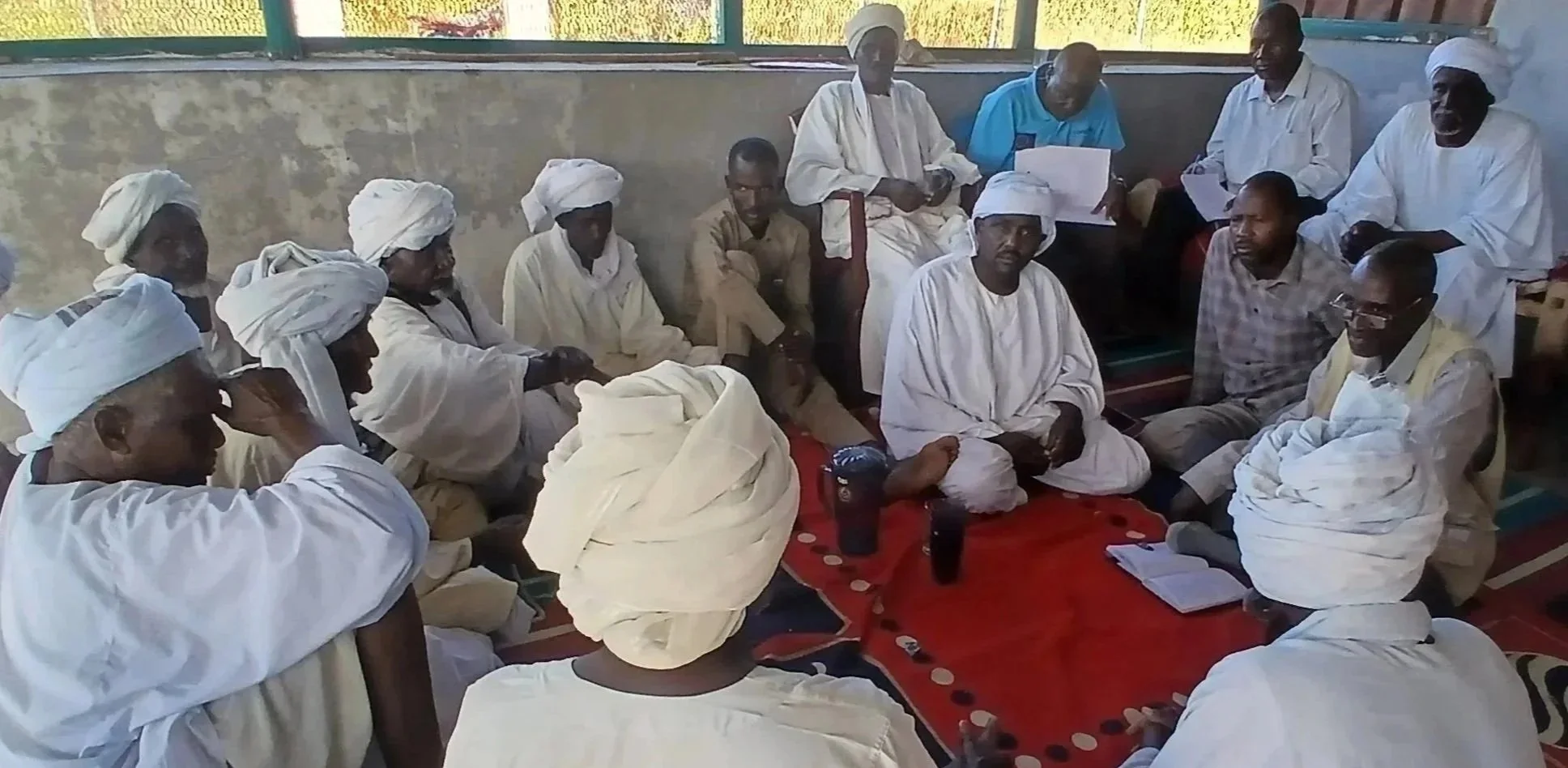
There are positives. Across 36 tribes, local leaders have maintained largely peaceful cross-border relations. Their Peace Committee still functions. Their traditional leaders still have authority. People still attend each other's funerals and weddings across borders.
As peacebuilders, we can work with that.
Why has Concordis been asked to help?
Last year, a senior community leader - The Prince of Salamat, Al-Tahir Mansour Abdulqadir, the general Amir of the Salamat tribe in Sudan - travelled from Um Dukhun to Nyala specifically to find the Concordis office and ask for help.
He had attended a Concordis peace conference in 2023. This was before the war but there was already major conflict between communities in Darfur, and he saw what our programme was achieving, which he described as "affirming peaceful coexistence". Since then, the Prince has watched Concordis intervening in disputes over farmland and cattle rustling, many of which involved violence and killing, and has seen how we have helped to contain the situation. Now, he has invited us to come and help his people too.
Concordis is trusted on both sides of this border. In a place where everyone has a political agenda and most outsiders are viewed with deep suspicion, we have a proven track record for making a difference.
Over the past four years, Concordis has supported more than 50 peace conferences and trained 325 community peacebuilders across Darfur. This track record has built trust among communities, traditional leaders, and local authorities.
When Concordis invites people to the negotiation table, all sides will come.
What do we need to do?
We need to get to the point where people at this border can monitor refugee flows, manage seasonal cattle movement, maintain security and enforce rules around illegal weapons and people trafficking.
How will we do it?
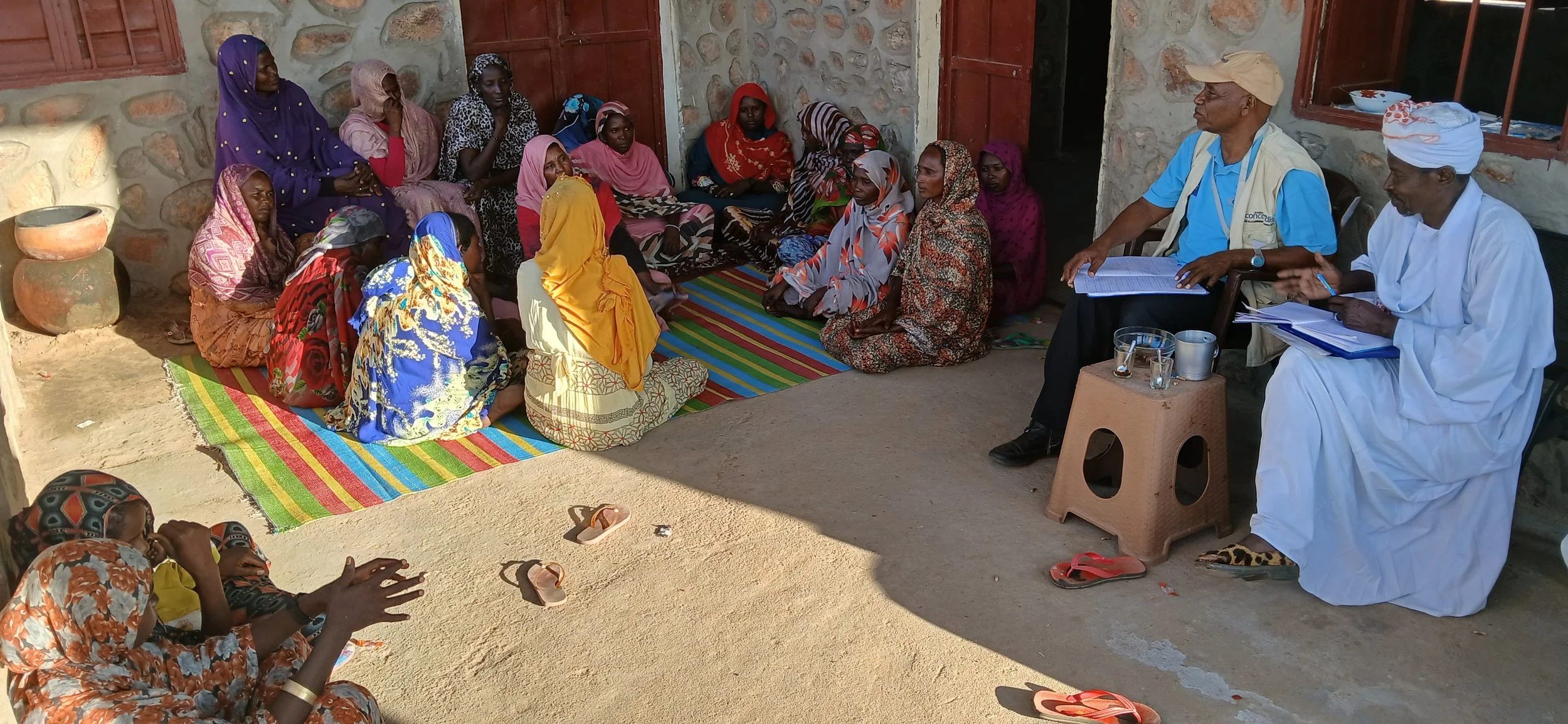
Before designing this process, Concordis conducted 10 consultations involving 193 community representatives from both sides of the border. Participants consistently highlighted livestock theft, insecurity, barriers to trade, and weak implementation of previous agreements as key concerns.
We're starting with a cross-border peace conference in autumn 2026, bringing together all the people with potential solutions. Tensions between Chad and Sudan have escalated in recent months, so the pressure is mounting. We’ve just been given the green light by authorities on both sides of the border, and this needs to start now.
Starting now looks like traditional leaders from both sides of the border negotiating agreed rules for border governance. It will involve farmers and herders sitting together to agree on grazing corridors and harvest timings. Traders sharing information on safe routes and access to markets. Women's groups mapping the specific risks they face at crossing points. Refugee voices being heard, alongside their Chadian hosts.
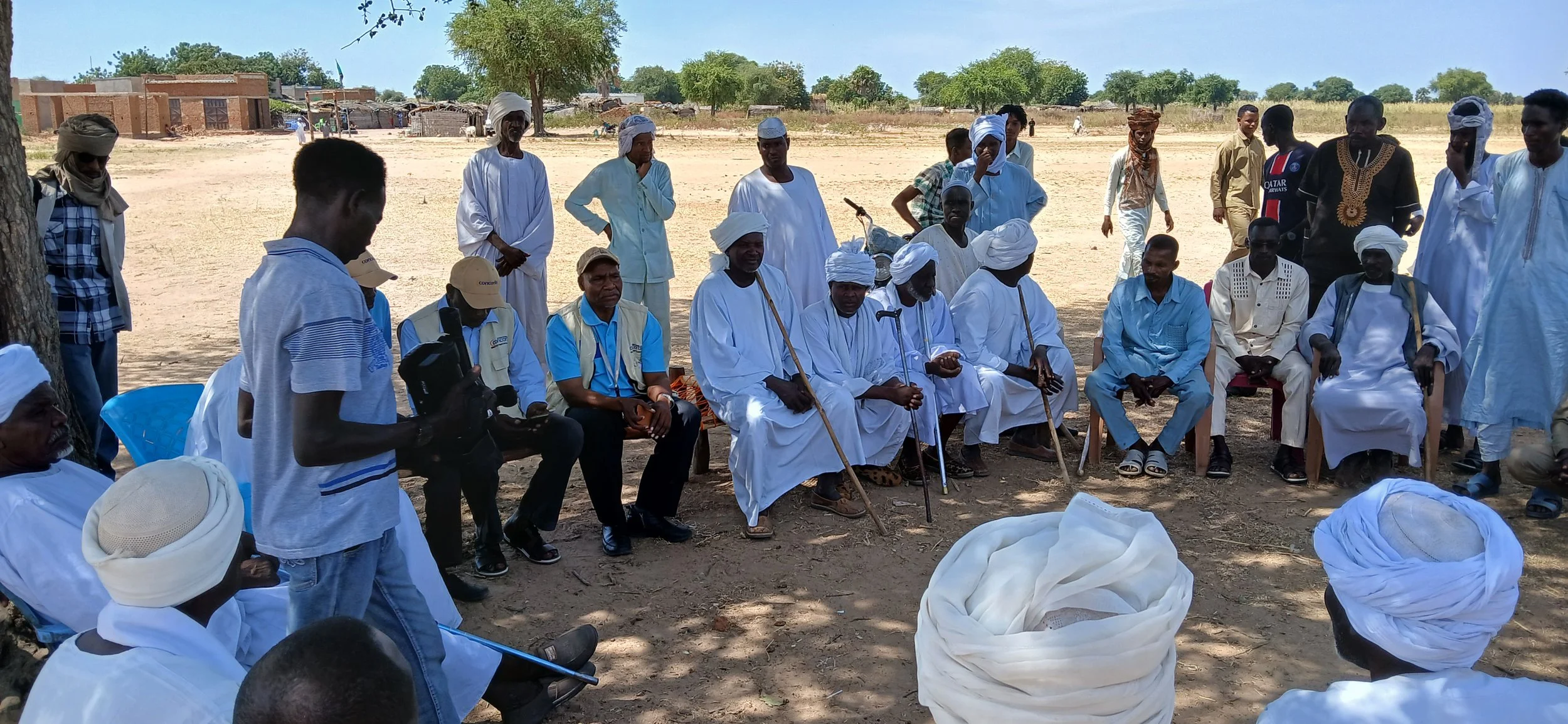
Acho Gerald, our Sudan Country Manager in South Darfur, said: "When I visited Um Dukhun last year, what stayed with me was not only the hardship, but their determination to protect relationships that have existed across this border for generations. Today, those relationships are under pressure. Your support of this work is investing in the local systems and people that continue to hold peace together."
Why do we need your help?
It’s as important as the peace conference. The follow-through: holding people accountable, disseminating the decisions taken. From there: training in mediation, supporting a Peace Committee that everyone respects but nobody funds. Setting up a market management committee for Um Dukhun, so that, at least in the market, there will be governance and access to justice.
Getting this right is the key to building lasting, sustainable peace and real change.
The communities of Um Dukhun are not waiting for the war in Sudan to end. They know that could take years. They are trying to hold things together in the meantime — to keep trade moving, keep families connected, keep young men from picking up guns because they feel there’s no alternative.
Young people need livelihoods that don't involve violence. Women who have lost husbands and sons need safe ways to earn a living. Farmers and herders need to know that when their cattle cross a border, there is a system in place, not just volatile suspicion.
They are asking for our help. And we, in turn, are asking for yours.
The estimated cost is approximately £30,000.
Your £50 could put diesel in our trucks to locate nomadic groups and ensure their voices are heard.
Your £100 could help community leaders travel safely across difficult areas to share what is agreed at the peace conference.
Your £250 could support the Market Management Committee to rebuild stalls and create livelihoods for people from every local tribe.
The people of Um Dukhun and Sila Province need our help.
Need your help.
These extraordinarily resilient people are trying to bring changes that will make their lives more secure, in a context that will be insecure for a long time to come.
We do not want to abandon them when they have asked us to stay.
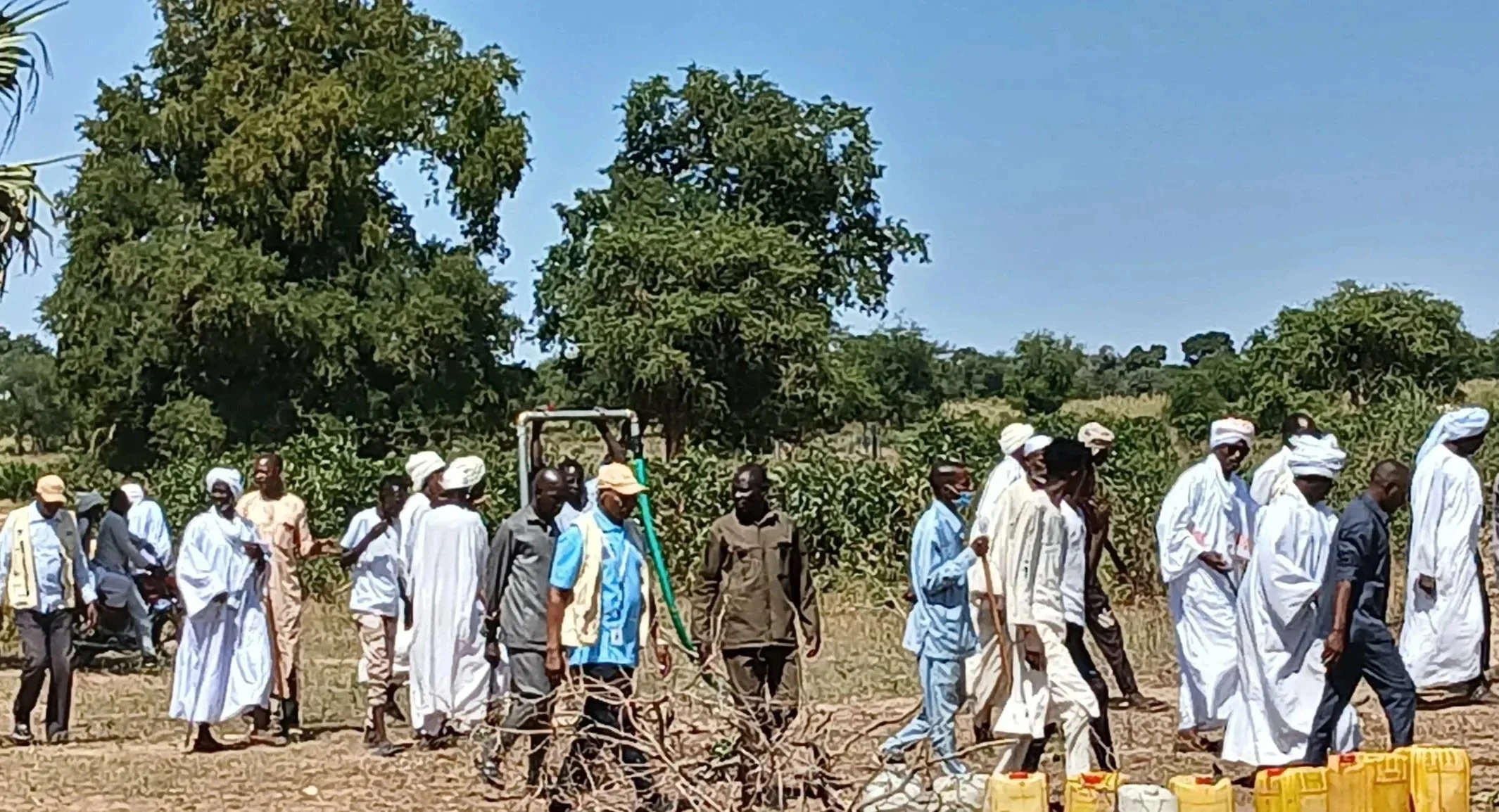
All photos: Concordis staff consulting with community representatives in the Um Dukhun area of Darfur, Sudan.