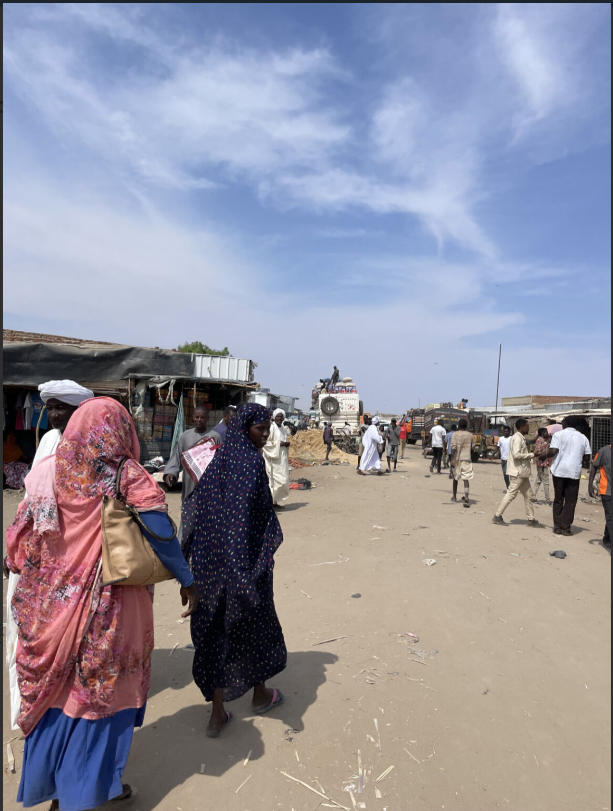
Building Resilience in the Borderlands of Sudan, Abyei and South Sudan
This region has been at the heart of Concordis' work since our inception in 2004, before there was even an international border or a nation called South Sudan. In 2025, a new grant from the European Union and the Swiss Agency for Development and Cooperation let us build on years of investment in relationships across the region, and to respond to some massive needs, which have been exacerbated by the war in Sudan.
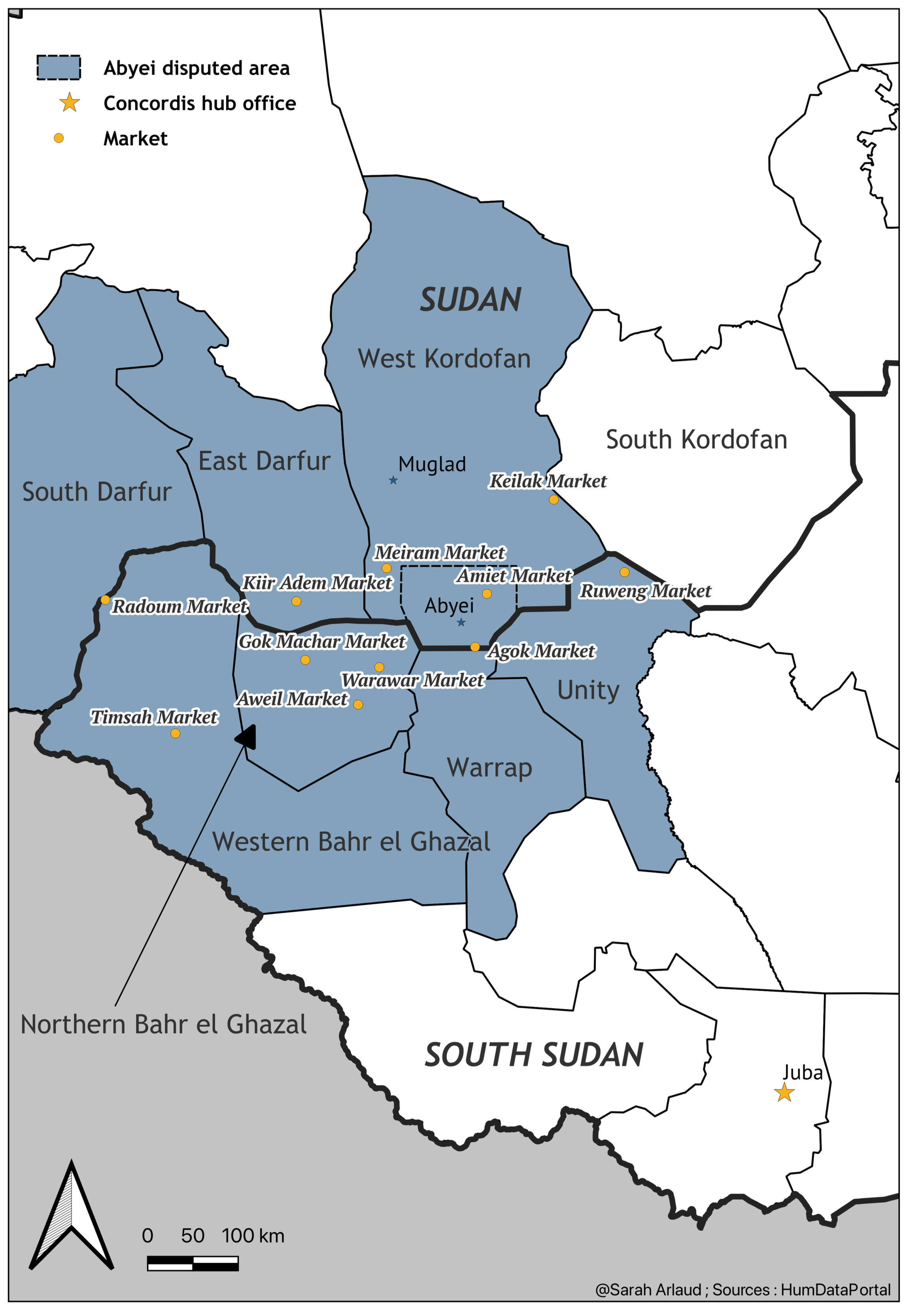
We will work in East Darfur and West Kordofan in Sudan, in Warrap and the Greater Bahr el Ghazal region of South Sudan, and of course in Abyei.
Our goal is to build the resilience of communities: resilience to the impacts of war, resilient livelihoods and resilience to the effects of climate change.
This programme, running from 2025-2029, will work to:
Strengthen community peace committees and courts, giving local leaders the tools to prevent violence before it starts.
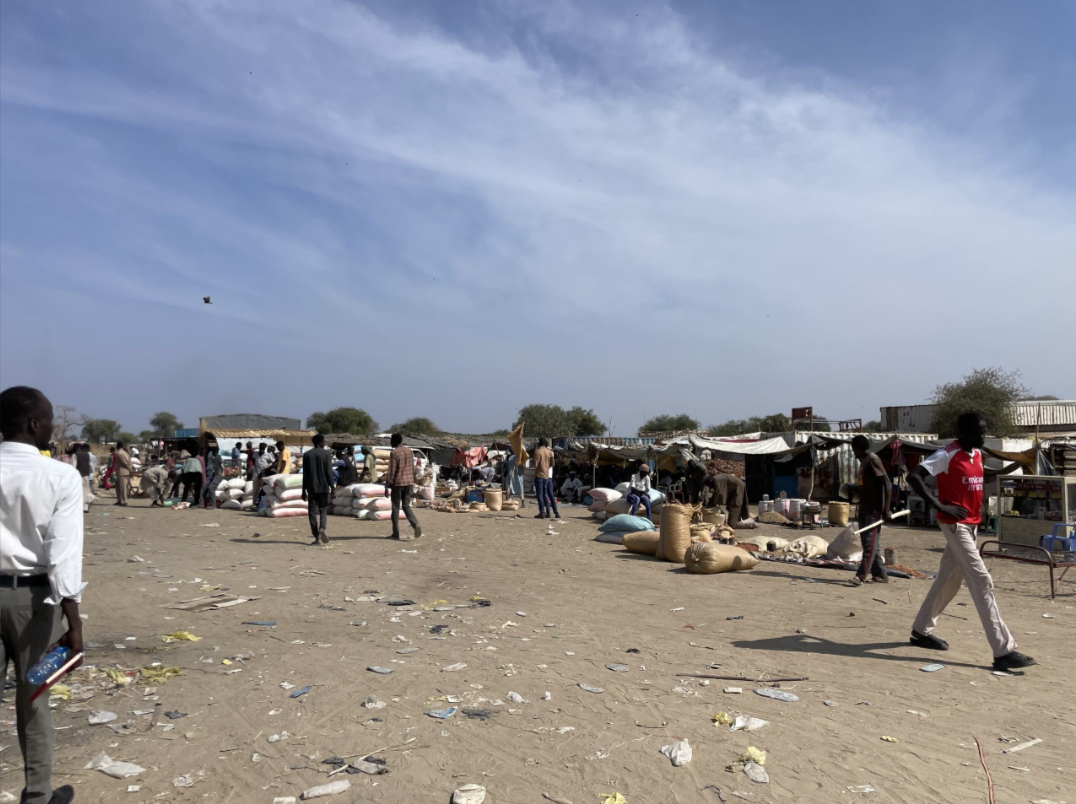
Revitalise inter-community markets, helping trade flow safely between Sudanese and South Sudanese communities.
Empower women and youth, ensuring they can take part in justice, governance and entrepreneurship.
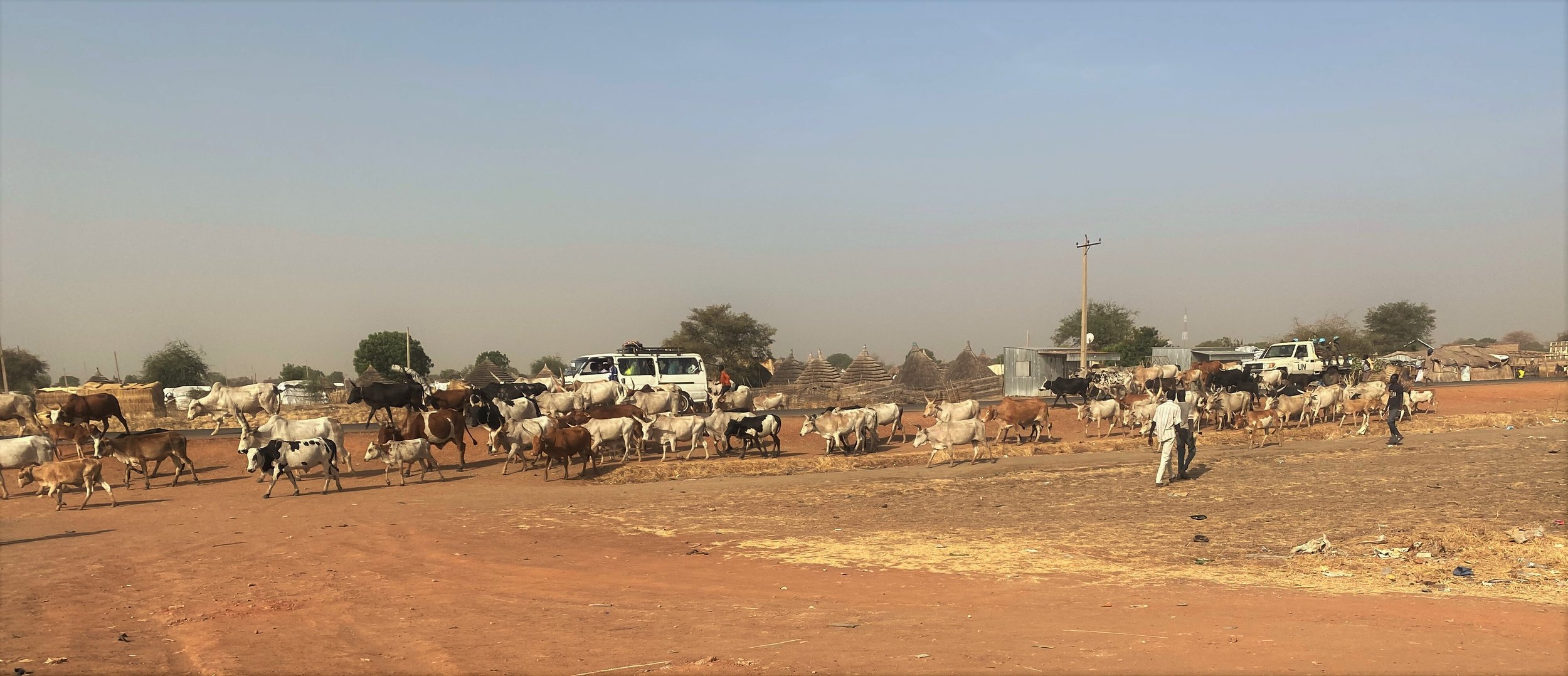
Generate sustainable adaptation to the effects of climate change, through safe and coordinated livestock migration and mutually beneficial sharing of resources.
We are very grateful to the funders of this programme:

Co-funded by
the European Union.
VISION FOR IMPACT
-
Our activities are built around four connected priorities, designed to support peaceful cooperation in the borderlands.
1) Root our intervention in local realities.
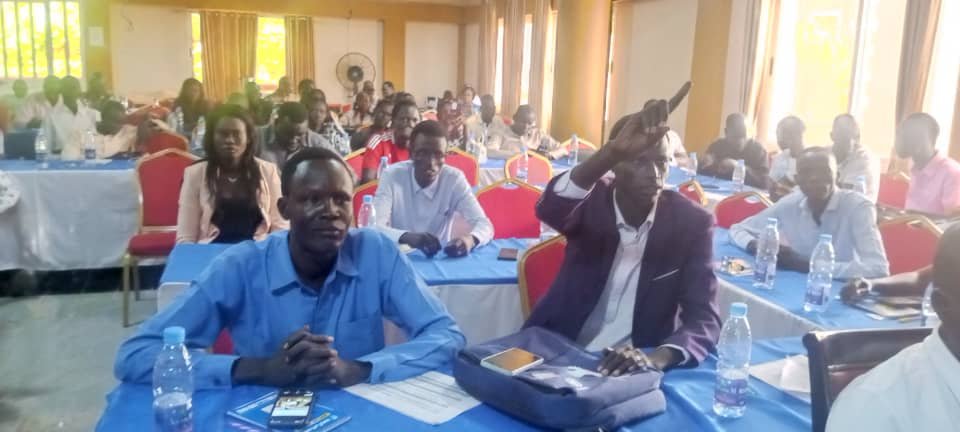
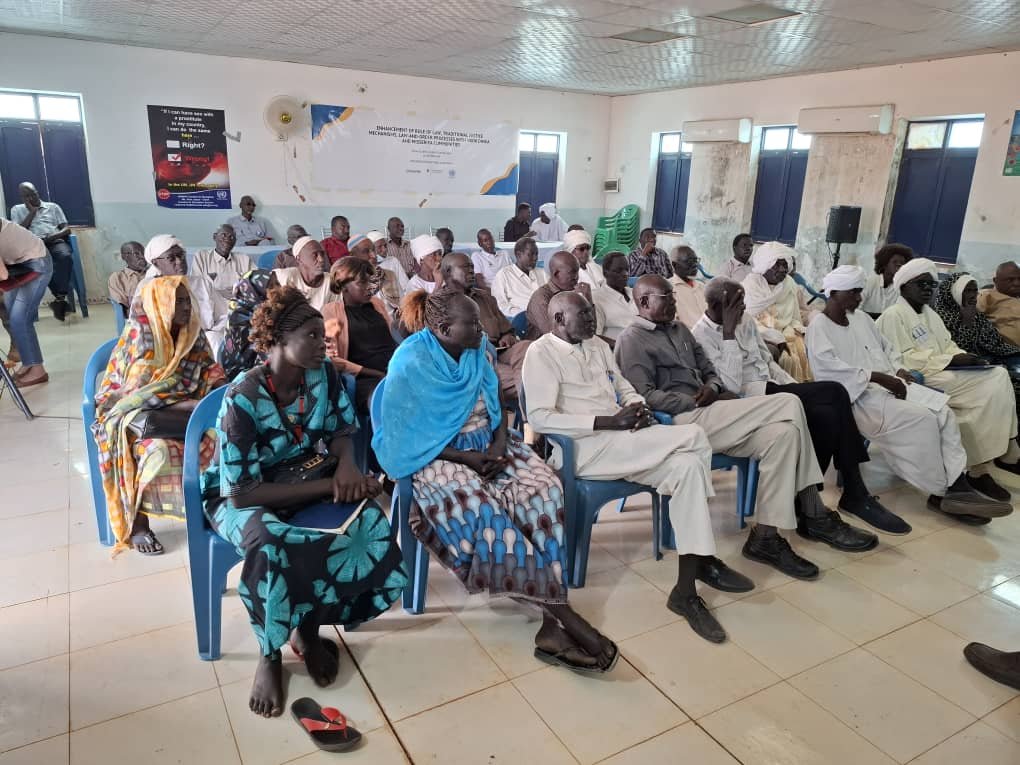
As always, we start by listening, with structured community consultations across six localities: two in Sudan, one in Abyei, and three in South Sudan. Inclusivity is important to us, so we’ll get out of the urban centres and into the villages and cattle corridors, hearing from over 5,000 people who live and work where conflict is fought and felt.
This listening phase helps us understand how conflict and economic pressure are playing out locally, how it is experienced differently by people of different ethnicities, ages, genders and livelihoods. We’ll learn what people see as the biggest risks, and what solutions they believe can work. It will also help identify what is already helping communities cope and where support can make the greatest difference. We will work alongside what’s already happening, creating bespoke solutions for each community.
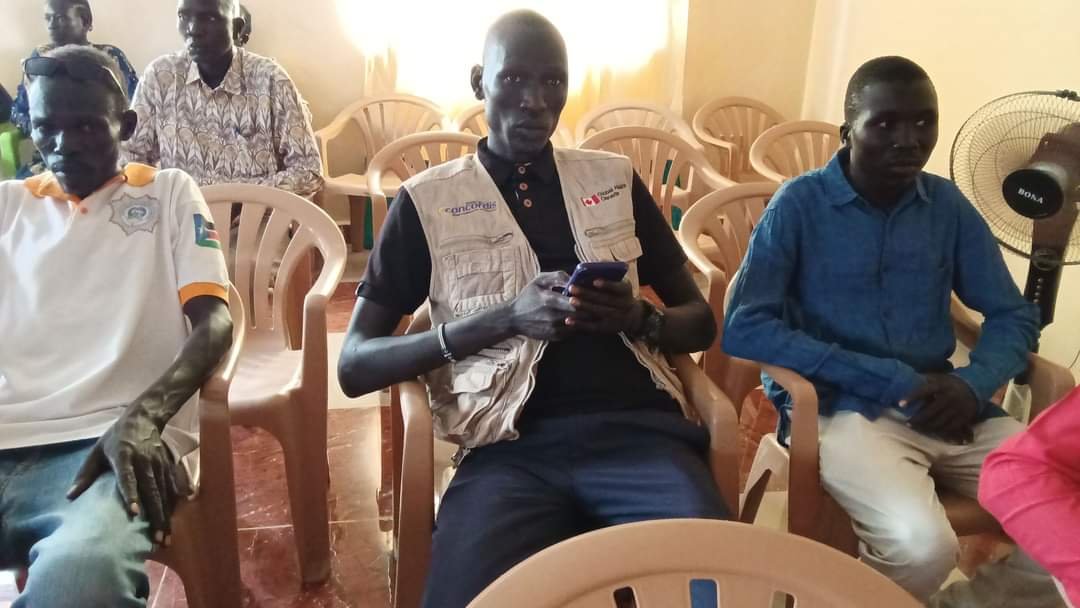
Vitally, the consultation gives us a way to find those who are already trusted, who are already building peace in their communities, who might become members of an Advisory Group, and, with training, be able to give early warning of conflict and intervene with mediation. This network of local peacebuilders will eventually number 350 across the area.
2) Provide a place for conflict resolution
In fragile environments, disputes do not disappear. They are either resolved or they grow.
How then are they resolved?
By patient preparatory work; months or even years of relationship building, bringing people to a place where they can even talk to the other side.
We set up Peace Conferences in response to need, to bring the right people together to have difficult conversations. These solutions are durable and sustainable because they are suggested by the people. They take different forms, are bespoke and responsive to need.
A number of people around a water point that’s been causing conflict, to work out how to manage use of it peacefully. Several hundred people gathered in a central location to plan cattle migrations across farmland. Helping negotiate accountability for tax revenue collection. Bringing women together, or young people, chiefs and elders – they are inclusive and relational.
3) Harness cross-border markets as a peace dividend
By definition, markets bring people together. If relationships are broken, that can be a cause of conflict. Then markets become unsafe places.
If those conflicts can be managed, and people kept safe, markets become more than economic spaces: they can become shared ground, places where people cooperate because cooperation benefits everyone. They create sustainable livelihoods including for women and young people.
Markets also provide opportunities for locally accountable governance. Local chambers of commerce - regulating, planning and revenue collection to provide vital services. Community courts – providing access to justice and promoting the rule of law. Joint protection committees providing security in a way that’s accepted by all groups. Opportunities for women and youth, not just men, and groups who might otherwise be marginalised, to engage with these civic structures.
4) Link local realities to national decision-making
National challenges in both Sudan and South Sudan are felt strongly in local communities, especially in borderland areas that are far from centres of power. This isolation limits fair representation and can deepen fragmentation.
With the evidence gathered through consultations and Advisory Groups, we can engage in dialogue that connects local voices with national decision-makers. The goal is to make sure local realities shape the policies and decisions that affect local life and reduce the risk of borderlands being left to absorb crises alone.
-
We believe that everyone affected by armed conflict should have the tools they need to handle conflict peacefully. That means understanding and addressing the real reasons people turn against each other: fear, loss, bereavement, exclusion, broken systems, economic hardship, scarcity, and trust that has shattered.
It also means being honest about leadership. Real strength is choosing stability. Finding solutions that work for everyone. Delivering for people. Building power through peace, not violence.
This is long-term work. But it starts with changes you can see. An argument solved without a fight. A market where people feel safer. Rules that are clearer. Access that is fairer. Communities seeing real benefits from working together.
Peacebuilding is about building bridges across divides. With patience. With honesty. With practical steps that help people build stability from the ground up.