
Unlocking the Potential of Rangelands and Pastoralists in Central Africa
In the International Year of Rangelands and Pastoralists, Concordis champions the potential of well-managed pastoralism in building resilient communities and peaceful futures.
Nomadic pastoralists keep livestock, which they move seasonally in search of pasture. They are often overlooked in global development, but they play an important role in protecting food security, sustaining livelihoods, and adapting to the effects of climate change.
The United Nations has named 2026 the International Year of Rangelands and Pastoralists (IYRP).
For us, this year is a chance to show how peaceful pastoralism can support communities to become more resilient. It enables them to cope during conflict and climate change, and to build more robust economic development in the region.
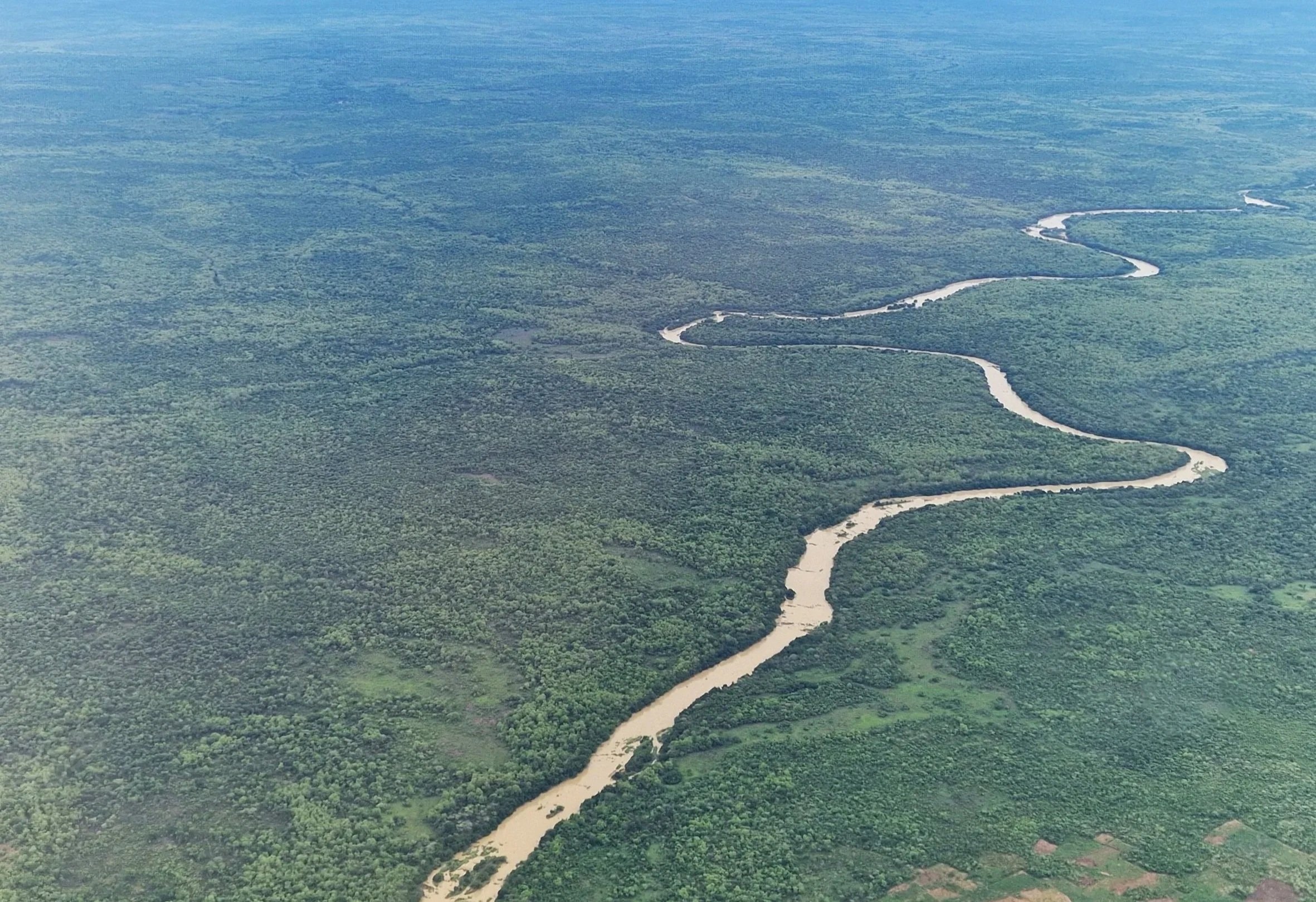
Why are rangelands and pastoralists important?
Rangelands cover 55% of the world's landmass, and about half of Africa. They are vast, uncultivated landscapes often grazed by wildlife and domestic livestock. Pastoral communities depend on these lands to raise livestock, which is their primary livelihood. They move across these landscapes to find water and grazing in harsh climates.
Rangelands are often dismissed as "empty" spaces. In reality, they are full of life. They hold unique biodiversity, store carbon, and support the livelihoods of over two billion people worldwide.
In Central Africa, from the savannas of Chad to the shrub and grasslands of Sudan, these landscapes are not just grazing grounds. They help mitigate climate change and are the economic engine for millions.
Pastoralists from Chad, Cameroon, and Sudan move across rangelands to manage their livestock in extremely harsh, dry conditions. Migrating seasonally to access available water and pasture, they draw on indigenous knowledge to navigate uncertainty. Uncertainty that is worsened by both climate change and conflict in the region.
This knowledge is rooted in an ancient way of life grounded in the interdependence among humans, animals, and the environment. It has deep cultural importance and has been declared a UNESCO-protected lifestyle. Pastoralism preserves this way of life.
Rangelands are home to pastoral communities, who can play a crucial role in supporting rural economies, as long as they manage to coexist peacefully.
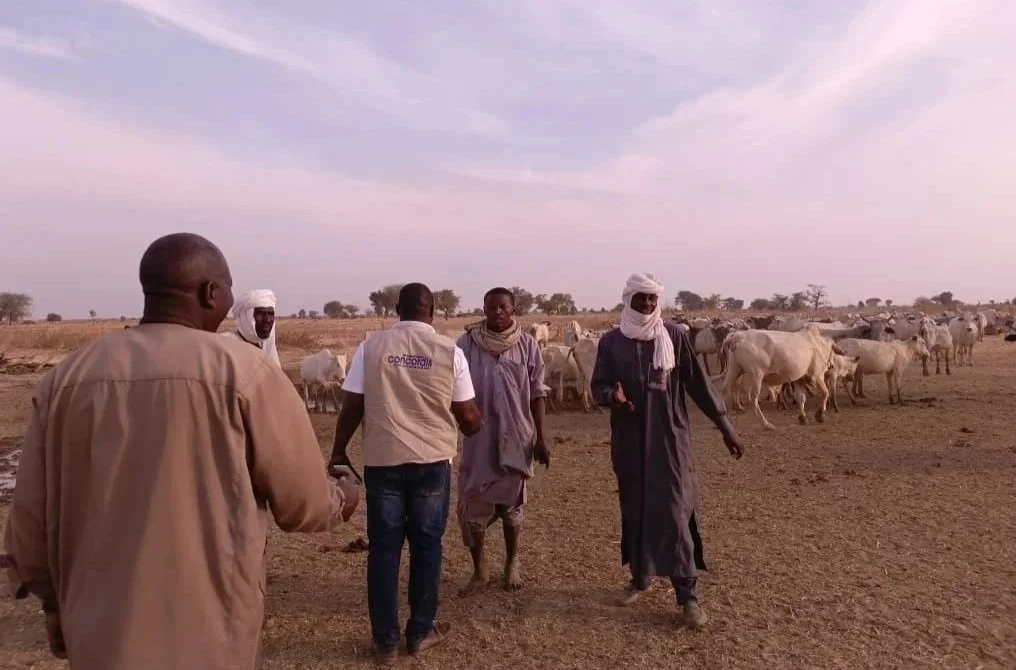
Trade between herders and farmers is the glue of rural stability.
Pastoralism generates wealth and livelihoods from the economic activity it brings. Herders sell milk and meat, and they buy food grown by farmers, bringing cash into rural economies. Cattle also graze on the leftover crops, which fertilise the fields.
This exchange supports food security and sustains livelihoods. It also builds trust through cooperation and mutual benefit. When trade thrives, the 'us versus them' mentality becomes weaker.
This is not just an exchange of goods. It is an incentive to keep the peace.
Why does this matter?
Herder and farmer communities often view each other with suspicion, sometimes for good reason. Competition over scarce resources, stigmatisation and stereotypes drive an ‘us versus them’ mentality. These tensions can quickly escalate into outbreaks of violence, destruction of crops and cattle theft. This increases food insecurity and makes life harder for everyone.
Across Central Africa, these tensions between communities are a major barrier to the sustainable development potential of rangelands and pastoralists.
The effects of climate change, including floods and droughts, as well as armed conflict, worsen these tensions. They disrupt traditional migration routes and limit access to natural resources. This puts food security, livelihoods, and community stability at risk.
Concordis works at the intersection of these tensions.
Our approach is built on the belief that those closest to the conflict are best placed to solve it.
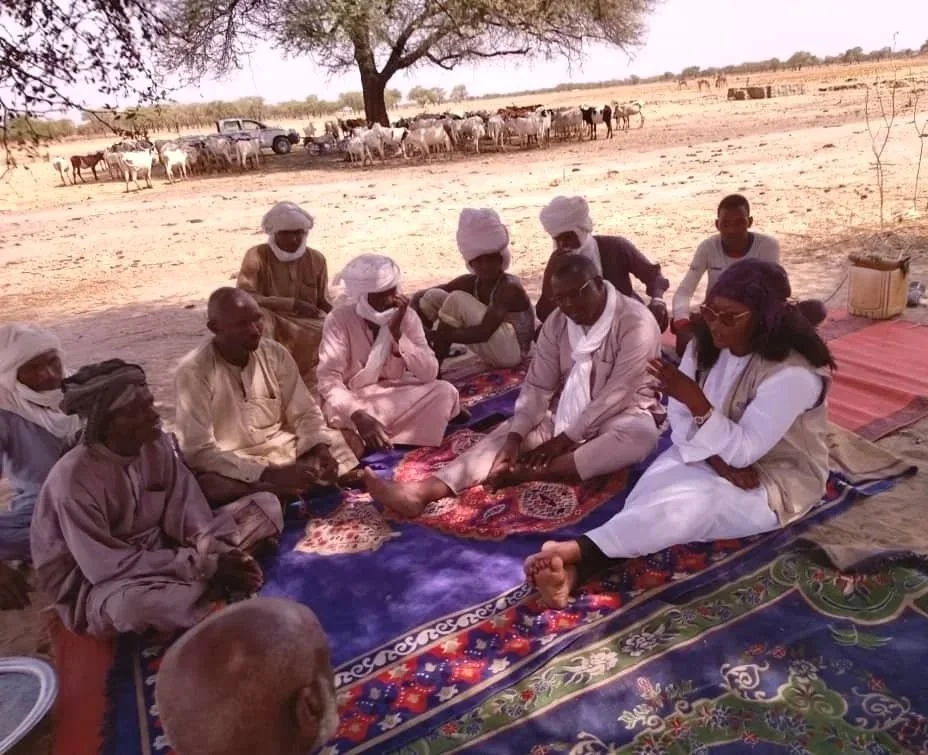
We support herder and farmer communities to work together and move beyond the “us versus them” mindset. By encouraging intercommunal cooperation and trade, we support resilient livelihoods, resilience to conflict, and resilience to the effects of climate change.
We do this by bringing communities together to agree on the timing and routes of cattle migration. We also work with communities to determine equal access to waterpoints and to protect scarce resources.
Essential to this is inclusive decision-making and local ownership of the process. We ensure that all voices are included in these conversations, especially the voices of those who often go unheard.
We train local people from all sides of the conflict to become peacebuilders and support them as Advisory Group members. We also provide a safe place for discussion amongst all affected parties. Through these interactions, we help to identify opportunities for mutual benefit and build trust between herders and farmers through communication and cooperation. We work alongside them to understand the root causes of the conflicts that divide them, and then to address these causes, once and for all.
By supporting herders and farmers in Central Africa to work together, build trusting relationships and identify the root causes of conflict between them, Concordis helps unlock the sustainable development potential of rangelands and pastoralists.
As we move through the IYRP 2026, we continue to see rangelands not as places of conflict, but as landscapes of opportunity. When we support the people who walk these lands, we aren't just protecting an ancient culture; we are building a peaceful, food-secure future for the entire region.