
Our Approach
We believe that informed dialogue between people on different sides of conflict…
Our approach rests on three pillars:

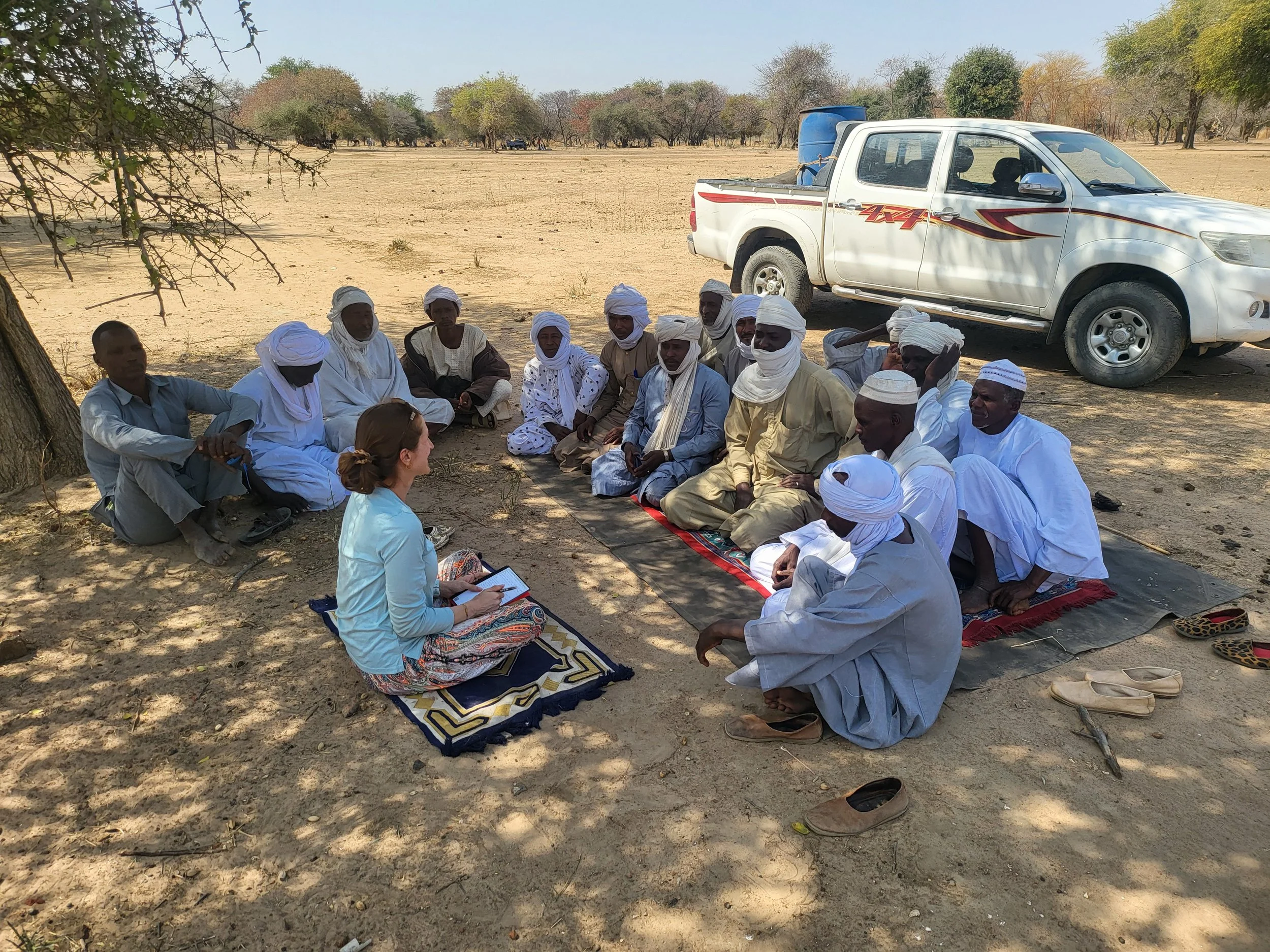
Conflict analysis before, during and after our time of intervention, informing the design of our projects, providing information and insight, aiding all who are helping to transform conflict. If peace processes are to be effective, it is vital that participants are well-informed. They need to be informed about one another’s positions, they need to be informed about the views of the entire population, not just the most vocal, and external actors must have a proper understanding of the history and nuance of the conflict. Only then will any agreement address the root causes of the conflict and create the conditions necessary for lasting peace. Research is therefore a key component in Concordis’ work. We engage acknowledged experts to do this research for us. Much of this work is published.
Facilitating Dialogue
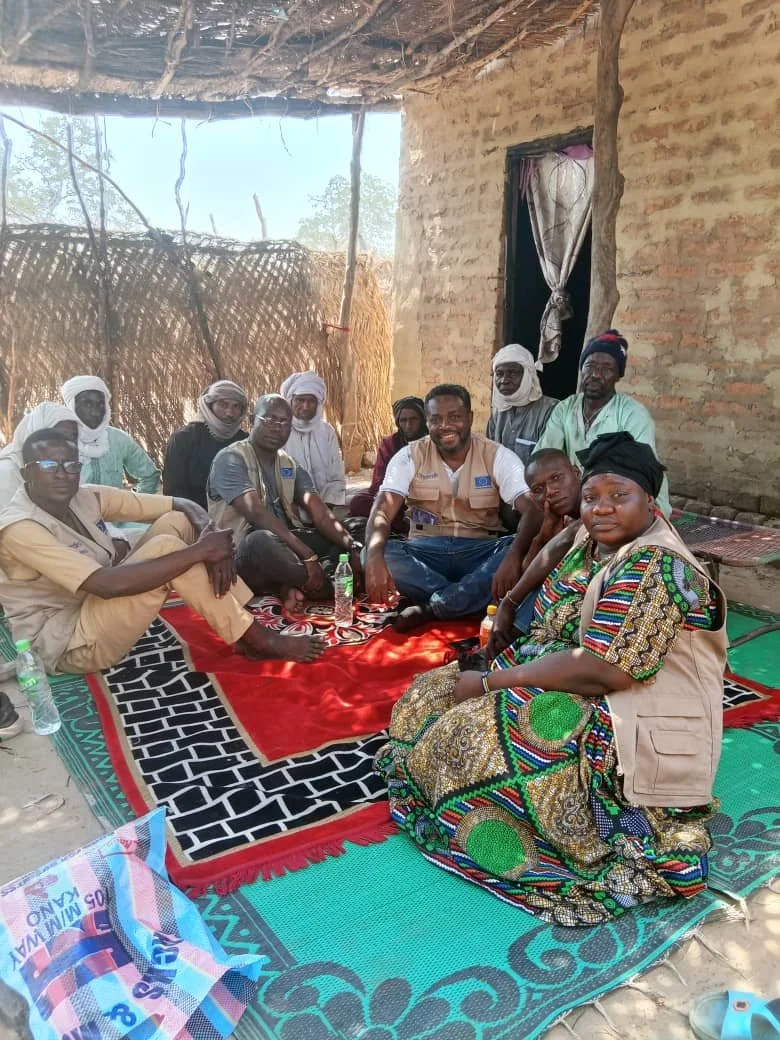
We facilitate dialogue between groups affected by conflict, building trust and confidence, creating a shared vision for the future and laying foundations for the restoration of peace. Dialogue is at the heart of what we do and the way we work. We use dialogue to build trust and foster relationships. Building trust in us as an impartial third party is an essential first stage in any peacebuilding process. This involves working with individuals and communities on each side of the conflict.
Building Resilience
facilitates consensus-building on the basis of shared interests

contributes positively to negotiation processes
Conflict Analysis
creates the climate for more generally peaceful relations.
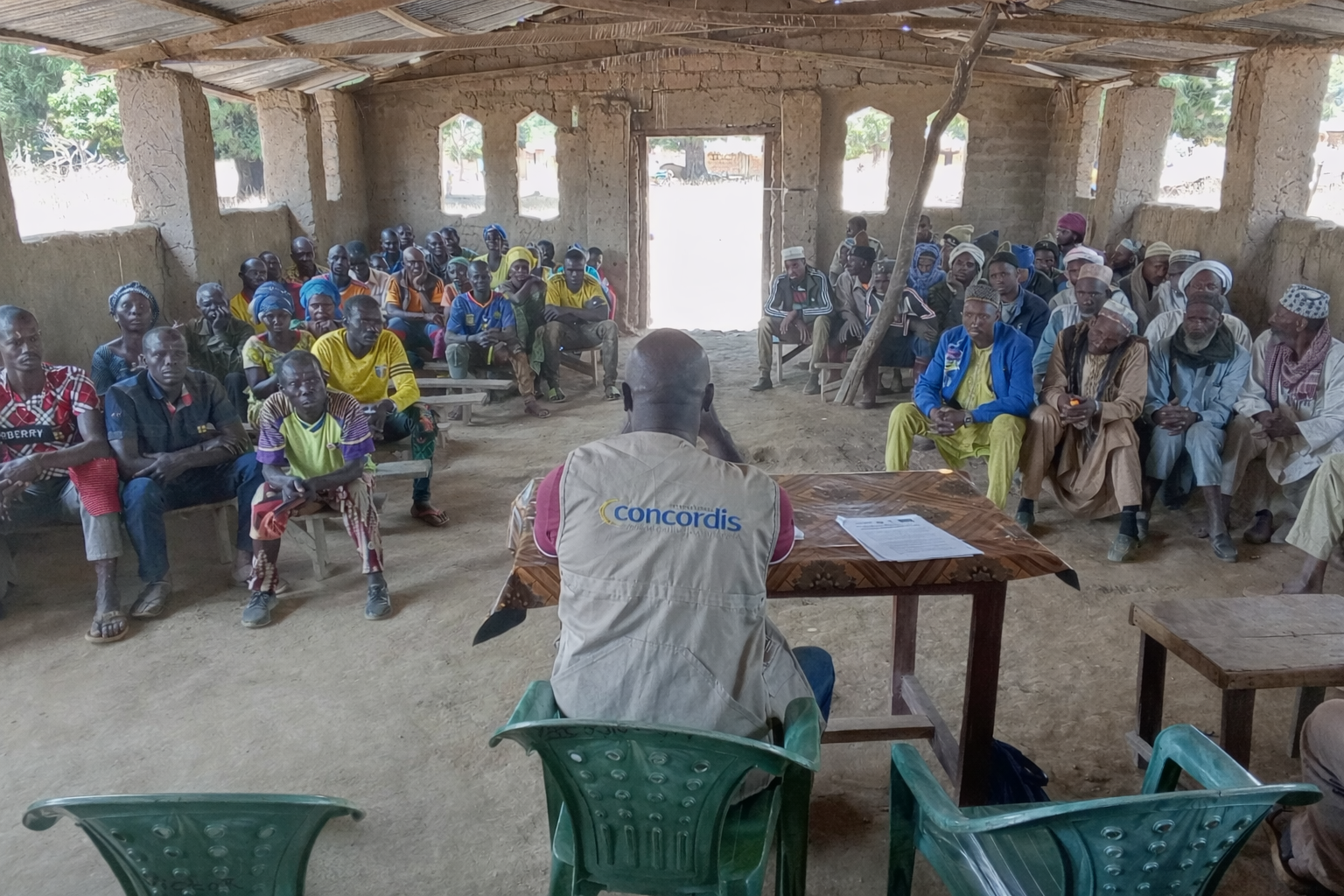
We build resilience beyond our time of intervention by equipping local people with skills needed for peacebuilding, giving a voice to people who aren’t normally heard (including women and youth), communicating and advocating recommendations from dialogue processes to policymakers, and sharing our lessons learned with others.
We seek to build resilience in the societies we work in, so that peace may last long after our projects come to an end. We do this in two ways: by equipping local people to develop their own peace-building solutions and mechanisms, and by communicating recommendations at the policy-making level.
builds trust across lines of conflict and social divisions
Our approach cuts across many different issues:

Climate change exacerbates the risk and impact of violent conflict, especially where there is competition for scarce natural resources, poverty, or insufficient government resources.
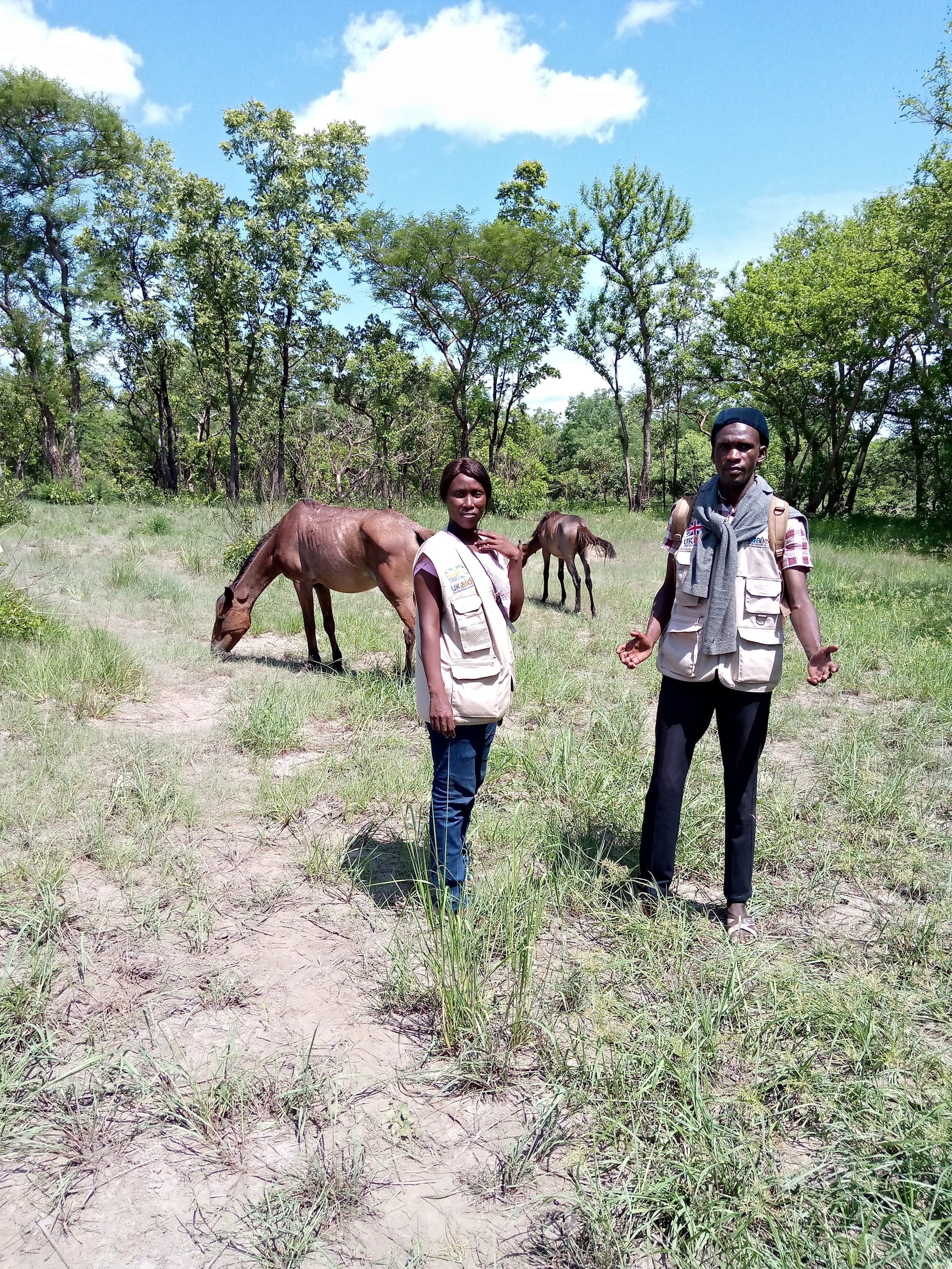

Many herders move their livestock hundreds of miles each year, spending the wet season in the Sahel, then moving south in the dry season to find fertile grazing. This often takes them across international borders and can bring them into conflict with settled farmers.

Women's participation makes reaching peace more likely. When women's groups have an influential role in a peace process, the rate of peace agreements being reached and implemented is higher.
It's important that our work continues to be regionally focused. Concordis is uniquely placed to work with people from both sides of international borders, enabling them to work together towards sustainable peace.

Of the seventeen Sustainable Development Goals adopted by the United Nations in 2015, six are particularly pertinent to our work.

At Concordis, we are dedicated to understanding the root causes of conflict. Conflict is deeply connected to food security, climate change and COVID-19.