
Hush: the month before the Harvest Comes
“It is a month when people become very quiet,” one woman told us. “No one asks anyone for anything, because everyone is struggling.”
This summer, through our community consultations with women farmers in West Kordofan in Sudan, we heard the heightened concerns of people about this year’s lean season. They were expecting it would be harder than before.
The border country of Sudan and South Sudan is a fragile place. Multi-generational conflict has created uncertainty, tearing through food systems, trade routes and the delicate texture of ordinary life.
Women in parts of western Sudan have a name for this: Hush Month.
It falls in September, when the rains have come and the fields are planted, but the harvest is still weeks away — and for many families, this is the hardest stretch of the year. Food stocks are running low, prices are high, and money is scarce.
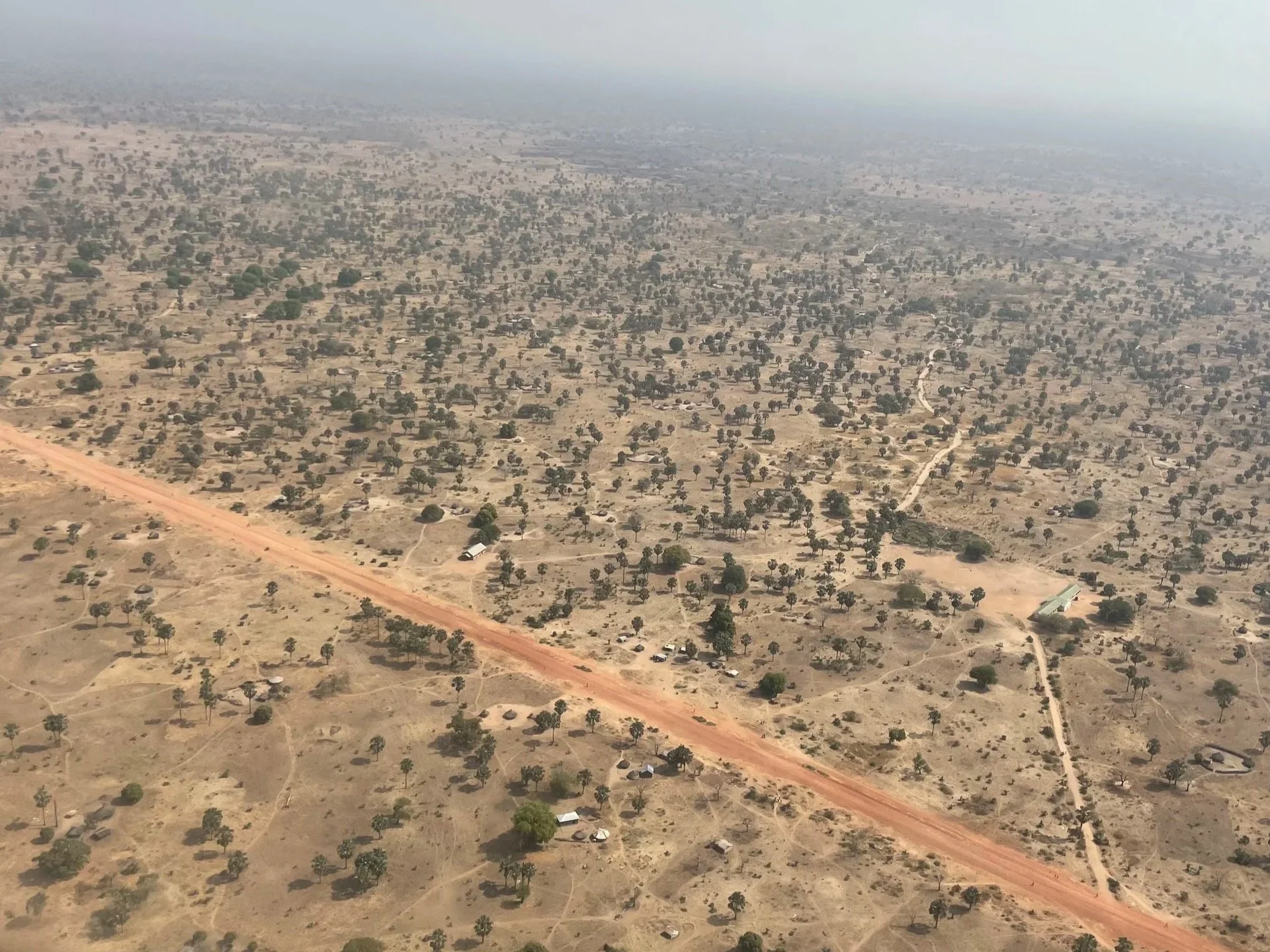
As one woman described it:
“In September, people suffer a lot. Sometimes people go a whole day without meals. Some people become so weak and sick that they feel like they are about to die. No one goes out asking anyone for anything. People just stay quiet inside their homes, and that is why they call it the month of Hush. The trader and the poor person are in the same situation. Everything was taken from us and they left us all poor.”
Despite this, the lean season in western Sudan used to be survivable. A family running low on stock could sell an animal, take on debt, or borrow money or goods from a neighbour or trader and repay after the harvest came in. It wasn’t easy, but there was usually someone with enough to lend.
That is what has changed. Everyone is short at the same time, so there is no one left to borrow from. The Nafeer — the tradition of neighbours pooling labour to get each other through — is struggling to hold itself together. As one woman put it, “Even the Nafeer itself needs a Nafeer.”
Concordis has been consulting with communities in West Kordofan. We are building a picture of the root causes of conflict between communities, many of which pre-date the current war in Sudan.
When our teams asked people in the northern localities of Kordofan what shocks they had faced over the past year and how they were coping, it was not the war they talked about first, despite being on the front line for many months.
Cutting meals was a recurring answer. Especially during Hush.
But in places already facing extreme food insecurity, there was barely anything left to cut.
Hush month in war
Before the 2023 war, farming was one part of a wider livelihood system — families could cultivate larger areas, keep livestock, trade, or fall back on other work if a crop failed. One woman told us:
“In the past, farming was good. From farming, a person could buy a horse, a car, or send their daughter to university. We used to do all of this from farming.”
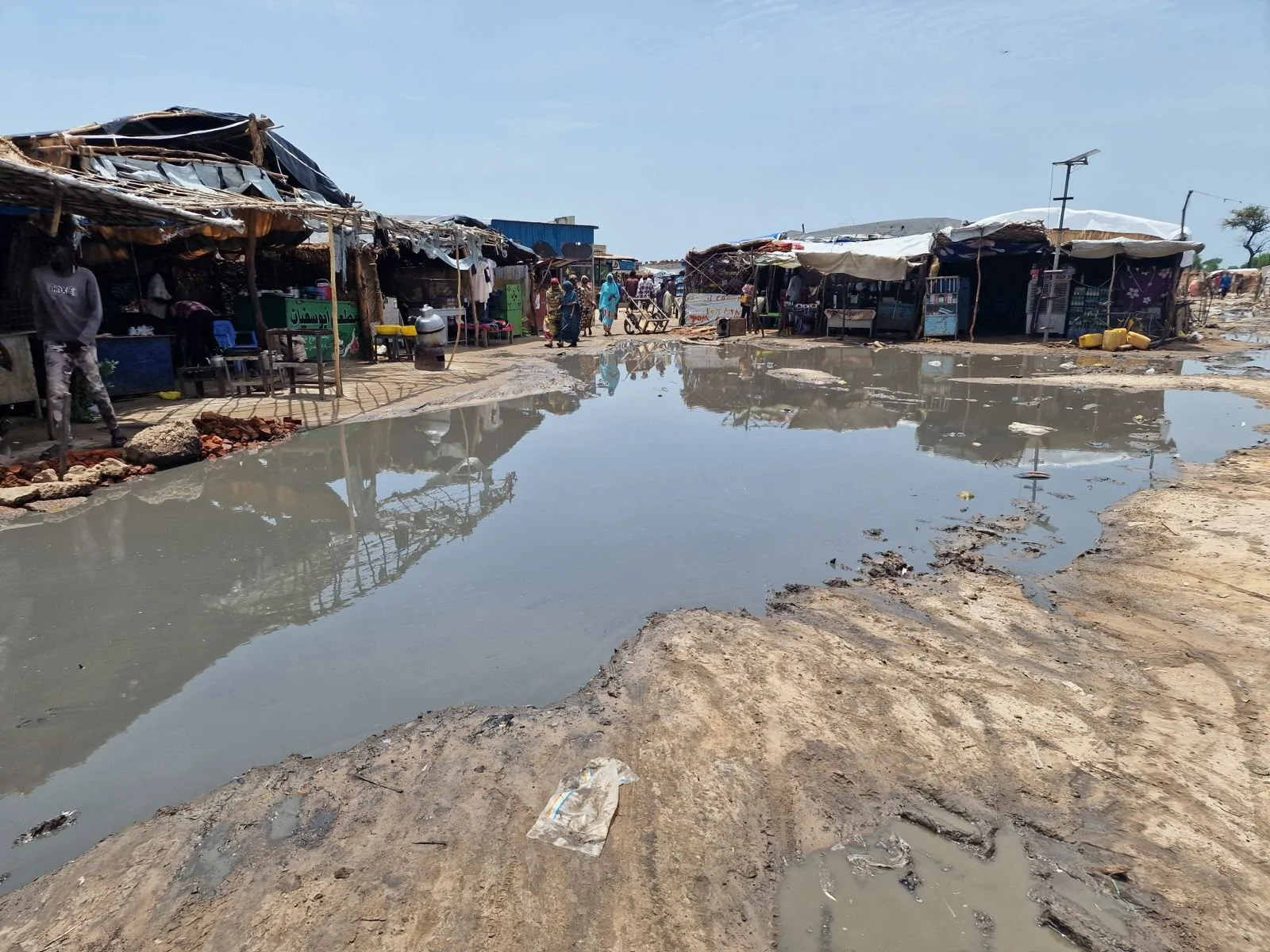
Farming used to be a path to a better life. Now, for many families, it is barely enough to get food on the table. The war has narrowed all of that. Displacement has cut families off from their land, businesses have closed, and the cost of seeds, machinery and labour has climbed.
People who used to have salaried jobs are now farmers by necessity, not by choice. Because they need to feed their families. That is challenging in a time of war, and it's clear that the harvests are below the pre-war level. The Food and Agricultural Organisation (FAO) estimates that Sudan’s cereal production in 2025 was around 5.2 million tonnes — 22 percent below the previous year, and 19 percent below the five-year average.
The 2026 season faces the same pressures but added to them were low and irregular rainfall, which has come too late to help the crops thrive, threatening insecurity and shortages of agricultural inputs. All of which suggests they are right to worry about Hush month.
Women are carrying the weight of this most directly. As men and young people have left in search of safety or work — or can no longer move safely, been killed or abducted — women have stayed to hold households together. As one woman explained:
"The number of women working has increased because the economy itself has become weak. If there are ten women in a household, all of them have to work. Work itself has become concentrated among women rather than men. If you have a son who goes out to work so that you do not have to, armed men may find him, take him away, and he may not come back, or they may kill him out there. That is why women go out to work. Men can no longer work [safely]."
One woman who used to farm her own land independently now manages only a small plot near home. Others sell tea, work in markets, or make handicrafts alongside whatever farming they can still manage.
Having land is not the same as being able to farm it
Women own land, rent it or use it for free. But from what they told us, many need to walk long distances to reach their fields because they cannot afford transport. Others cultivate only a fraction of what’s available to them, because the machinery to do more is too expensive to hire.
Some have returned to find livestock had destroyed their crops; others cannot safely stay overnight to protect what they’ve planted. It is not just a question of food scarcity, but the safety of reaching the food women have cultivated.
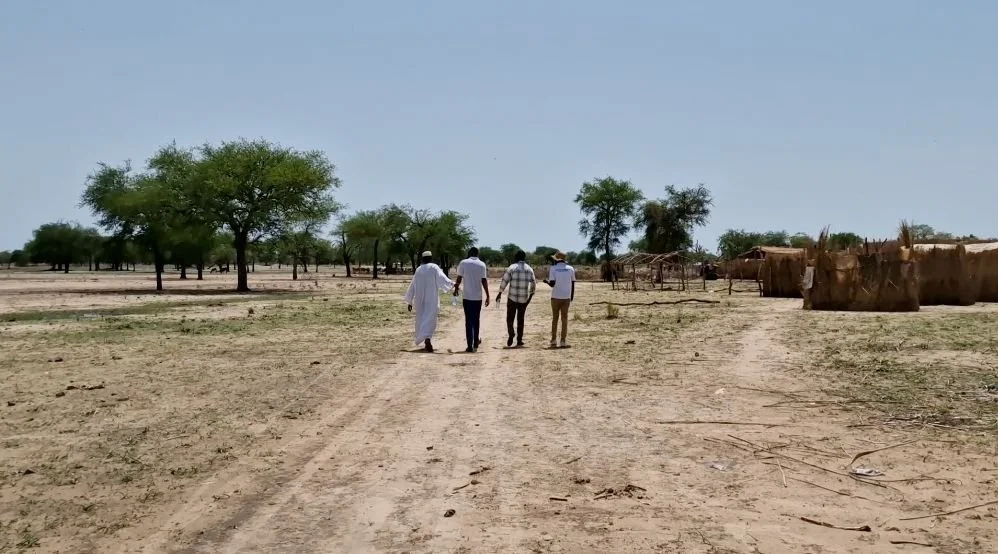
In communities elsewhere in Sudan, where Concordis has facilitated cooperation between farmers, pastoralists and other groups, people describe fewer disputes and safer movement between fields. And considerable improvement in crop yields. It’s a reminder of what these agreements are actually for: not just peace between communities, but protecting the livelihoods that peace depends on.
Some rain came this year to Sudan, though not enough and too late. Getting through Hush will have been considerably more challenging.
We will return to those communities and use what we have learnt in these initial consultations with farmers in in West Kordofan to improve the safety of women farmers as they persevere to provide for their families.
It is only by understanding deeply, like this, the tensions and difficulties that cause conflict in a fragile place, that we can help find solutions for people to live better, safer lives.
In the hope that the next Hush month will not be so very quiet.