
A thorn in your foot may seem small. But if you keep walking without taking it out, the wound stays and could even get worse.
Peacebuilding can work in much the same way.
Moving on is not enough if the causes of conflict are still there.
We have been seeing this first-hand in the Lac Iro area of Moyen-Chari Province, Chad.
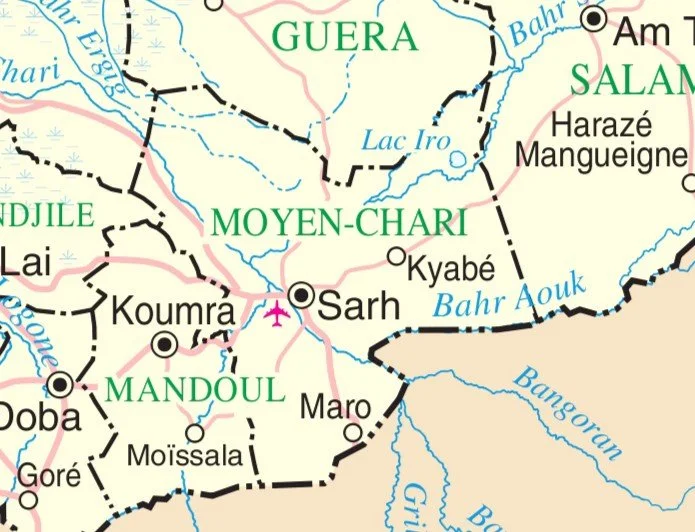
For years, farmers and herders here have faced tensions over cattle corridors, land and natural resources.
In 2022, those tensions led to serious conflict: an official record shared by one of our Advisory Group members lists 19 deaths and many injuries.
Since then, local authorities, traditional leaders, justice officials and another NGO have all tried to resolve the dispute. But the conflict remained.
Recently, however, something important happened.
After a lot of preparation by our team, people from the affected communities came together for a dialogue.
More than 50 eventually took part, including people from neighbouring villages and cattle camps who also asked to join. They met in a neutral place and set their own rules.
Both communities separately proposed that weapons should stay away from the meeting. They also chose people from their own communities to help keep the atmosphere calm.
These details may seem small, but they matter.
Peace rarely begins with a dramatic breakthrough
More often, it begins by creating a place where people feel safe enough to speak, listen and disagree without violence. Much of the work that makes that possible happens before anyone sits down together.
At first, the mistrust was clear.
The dispute had lasted for years. Previous efforts had failed. People arrived carrying very different experiences of what had happened. Yet they kept saying the same thing: they had come for peace and reconciliation.
So we did not rush towards an agreement.
Instead, people talked about the things that were still causing tension in everyday life. How could the two communities communicate better? How could farming calendars be respected? How could they reduce insults and provocation among young people?
As the day went on, something began to shift.
The main representatives of the farming and herding communities shared a meal. Then, they shook hands in front of everyone. The village chief representing the farming community went even further, inviting herders to use the watering points in his village. People from both groups began crossing the space to shake hands with one another.
After years of conflict, these were important signs that trust was starting to return. But nobody treated that moment as the end of the story. There were still problems to solve. So participants agreed to come back the following week and continue the conversation.
And they did.
The second meeting was not easy. Years of mistrust had not disappeared in a week. At times, it was difficult to move away from old grievances and focus on what could be done next. But there were also signs of how much had changed.
The herders arrived carrying fresh milk to share with the other group. A simple gesture. But in a room shaped by years of mistrust, the gesture carried real weight.
Then came another moment. A village chief drew the identifying mark of cattle that kept entering his fields and damaging his crops. Did anyone know whose cattle they were? For a moment, there was silence. Then one of the herders spoke up. The cattle did not belong to him, he said, but he knew the owner. From there came a practical commitment: from now on, herder representatives would help farmers identify cattle owners when similar problems happened again.
By the end of the meeting, the two sides had signed an agreement and made commitments on how to move forward together.
The thorn had not disappeared. But instead of walking on and ignoring it, people were beginning to deal with it together
And some of that change is already happening beyond the formal meetings. Five Advisory Group members from farming and herding communities helped prepare the dialogue, translate and make sure local knowledge guided the discussions. Some who were initially unsure about involving herders are now working with them and helping keep the dialogue going.
One exchange in a cattle camp showed what that can look like. When one herder said he did not believe farmers would be willing to share access to land, another herder - recently trained as an Advisory Group member - challenged that negative view. He pointed to a recent conflict with a nearby village: a young person had been killed by someone from their community and compensation was being paid. Yet herders were still able to pass through the village. He was showing that even after something so serious, coexistence had not become impossible.
These are the moments when peacebuilding starts to move beyond the meeting room and into the community
With local peacebuilders leading the way, the dialogue can keep going long after everyone has left the table.
Of course, the work is far from over.
The team is now preparing a wider dialogue expected to involve around 21 villages and surrounding cattle camps affected by the 2022 conflict.
It is also looking at wider questions around land use, cattle corridors and natural resources, with communities and authorities working towards possible solutions.
No one is claiming that peace has already been achieved.
But people who spent years caught in an unresolved conflict are now sitting together. They are sharing food. Identifying problems. Making commitments. And, importantly, coming back to the table.
It may be quiet progress. But this is often how lasting peace begins.
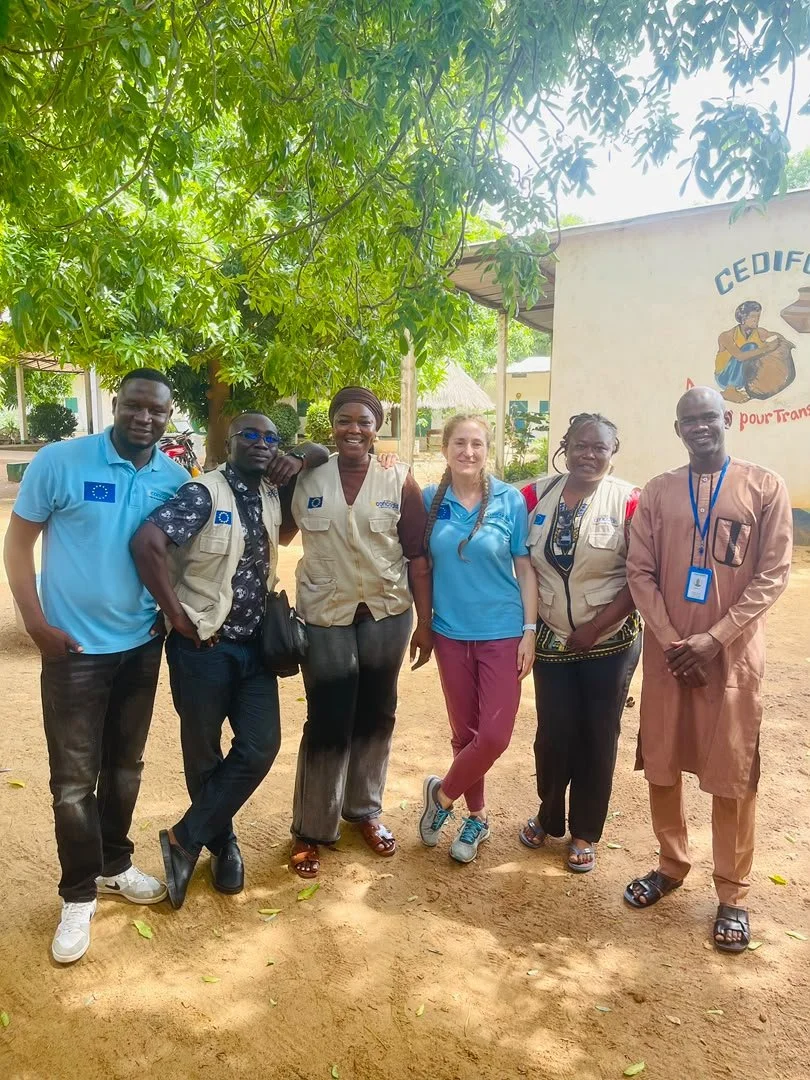
(Photo: Some of our team in Southern Chad.)